The stone room · A to Z
Stones & crystals
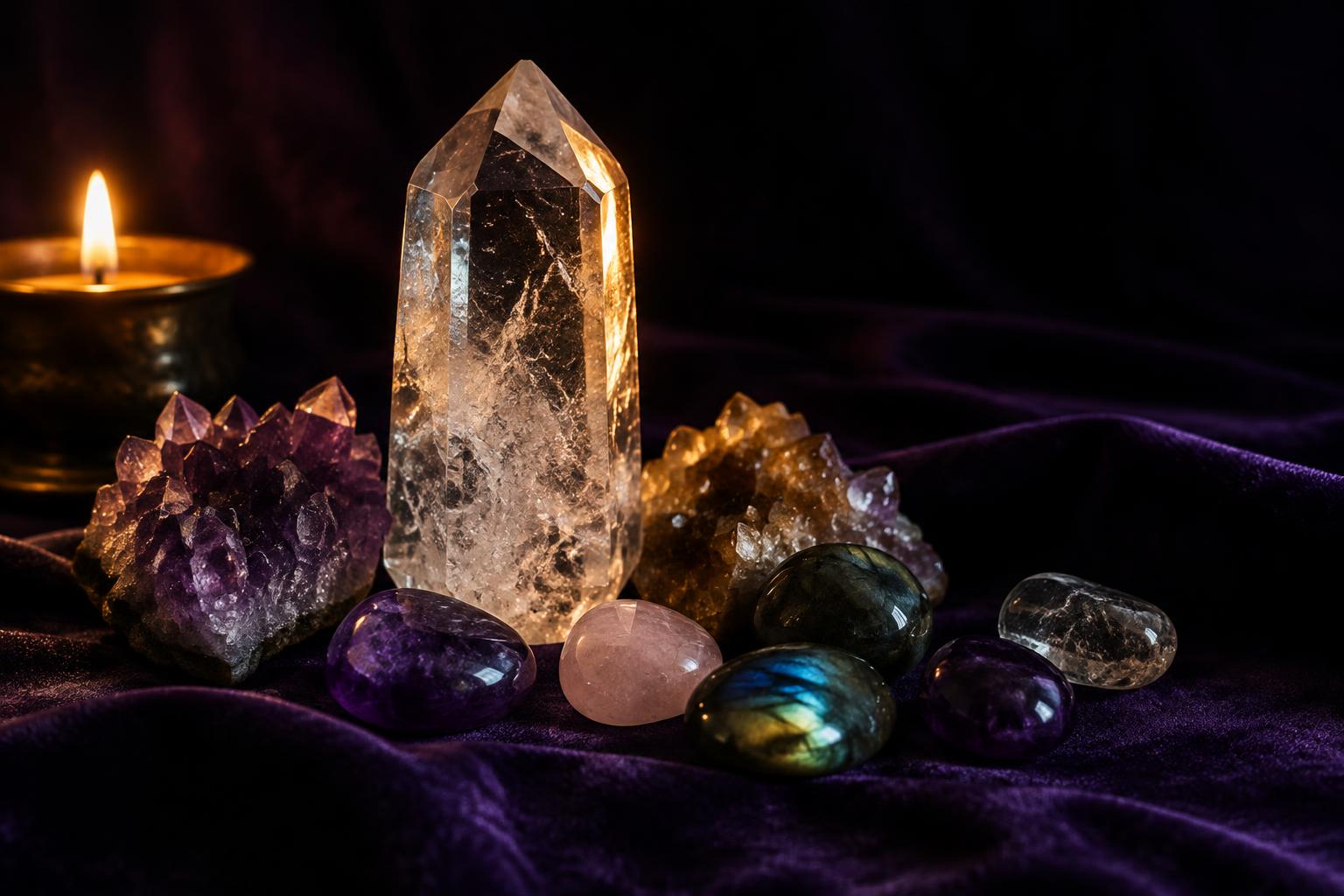
Each stone here is listed alphabetically, with where it comes from, what it is made of, what it has been used for, and how we would work with it. We buy at the source where we can, refuse dyed and irradiated stock, and cleanse every piece before it is wrapped — so the stone arrives ready to be used rather than merely owned.
Photographs are of the actual type and grade we stock. When a specimen is one of a kind — a geode, a large cluster — we will send a photograph of the piece before it ships.
How to read an entry
The stone, and what it is for
A stone is a mineral before it is a symbol, and we write about it in that order. The physical account says what it is — its hardness, its chemistry, how it takes light, what it does in the hand. The metaphysical account says what people have used it for, and why that use has survived as long as it has.
Most of these stones are safe to keep in a home in ordinary amounts. Where a mineral should not be soaked, ground, or handled without care, the entry says so.
- Physical character
- Hardness, chemistry, color, and how it behaves in the hand.
- Metaphysical properties
- What the stone has been used for across the traditions.
- Effects
- What it tends to do to a person who carries or works with it.
- Origin
- The locality we buy from, named honestly.
- Typical uses
- Where we would place it, and what we would pair it with.
- Unit
- Whether the price buys a tumbled stone, a cluster, a slice or a point.
A to Z
The full list
Listed A to Z by name, grouped by letter. Tap a letter to jump, or search by name or origin.
Care
Keeping a stone
A stone does not wear out, but it does take on what it is around. These are the six habits we teach in the stones class, and every entry assumes them.
Choosing
Hold it. A stone that is right for a purpose is usually the one the hand does not want to put down, and the reason will be plain within a day or two.
Cleansing
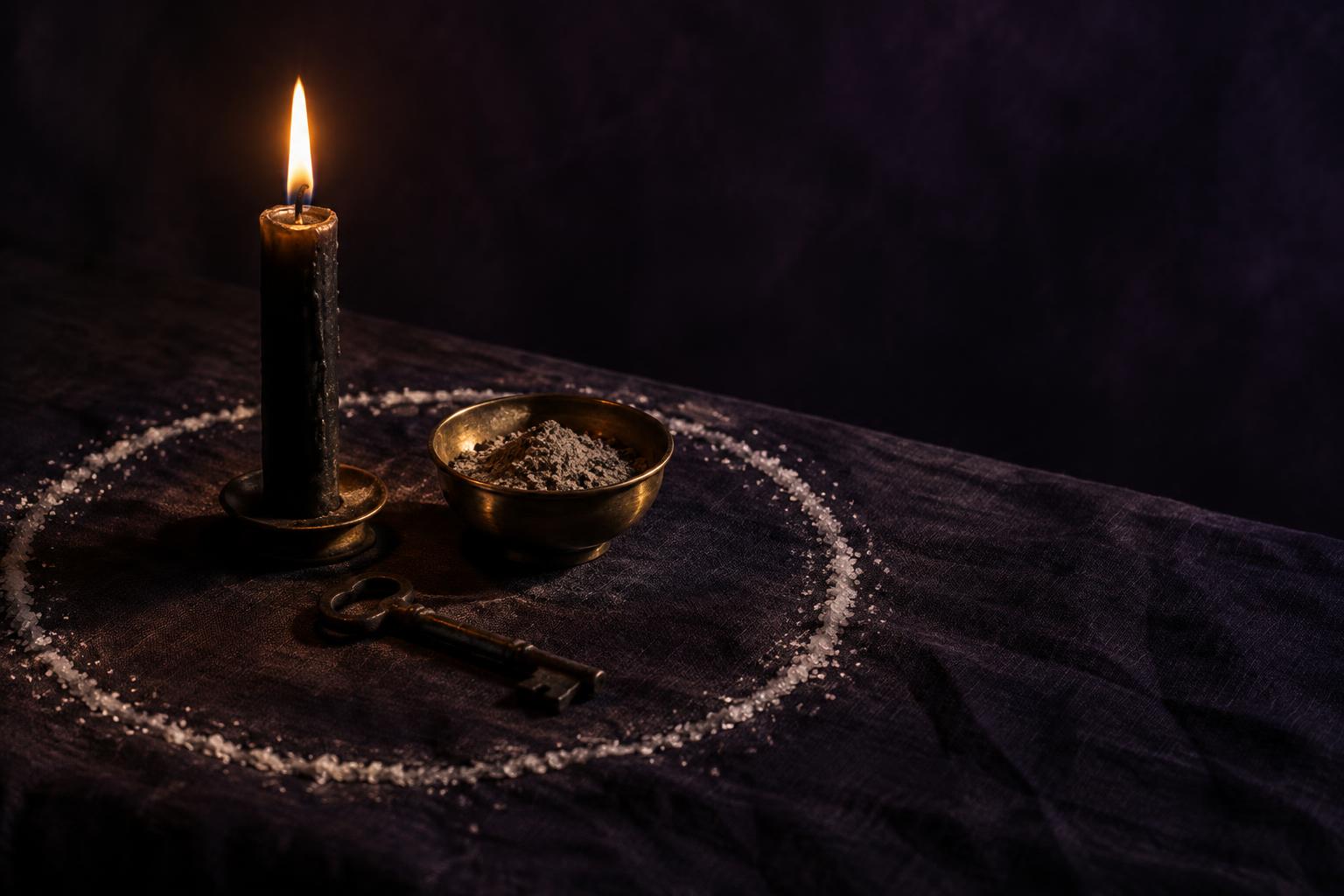
Water for the hard stones, smoke for the soft ones, and salt only for the few that can take it. Selenite, halite and malachite are never soaked.
Charging
A night on a windowsill at the full moon, or laid on a clear quartz point. Ten hours is enough; a week is not better.
Pairing
Stones work in company as well as alone. The entry for each names what it sits well with and what it should be kept away from.
Keeping
A cloth pouch, a shallow bowl, or the corner of a desk. Direct sun fades amethyst, rose quartz and fluorite over months.
Retiring a stone
When a working is finished, the stone is cleansed, thanked, and either kept for the next time or returned to the ground.
The stone is the beginning of the work, never the whole of it.