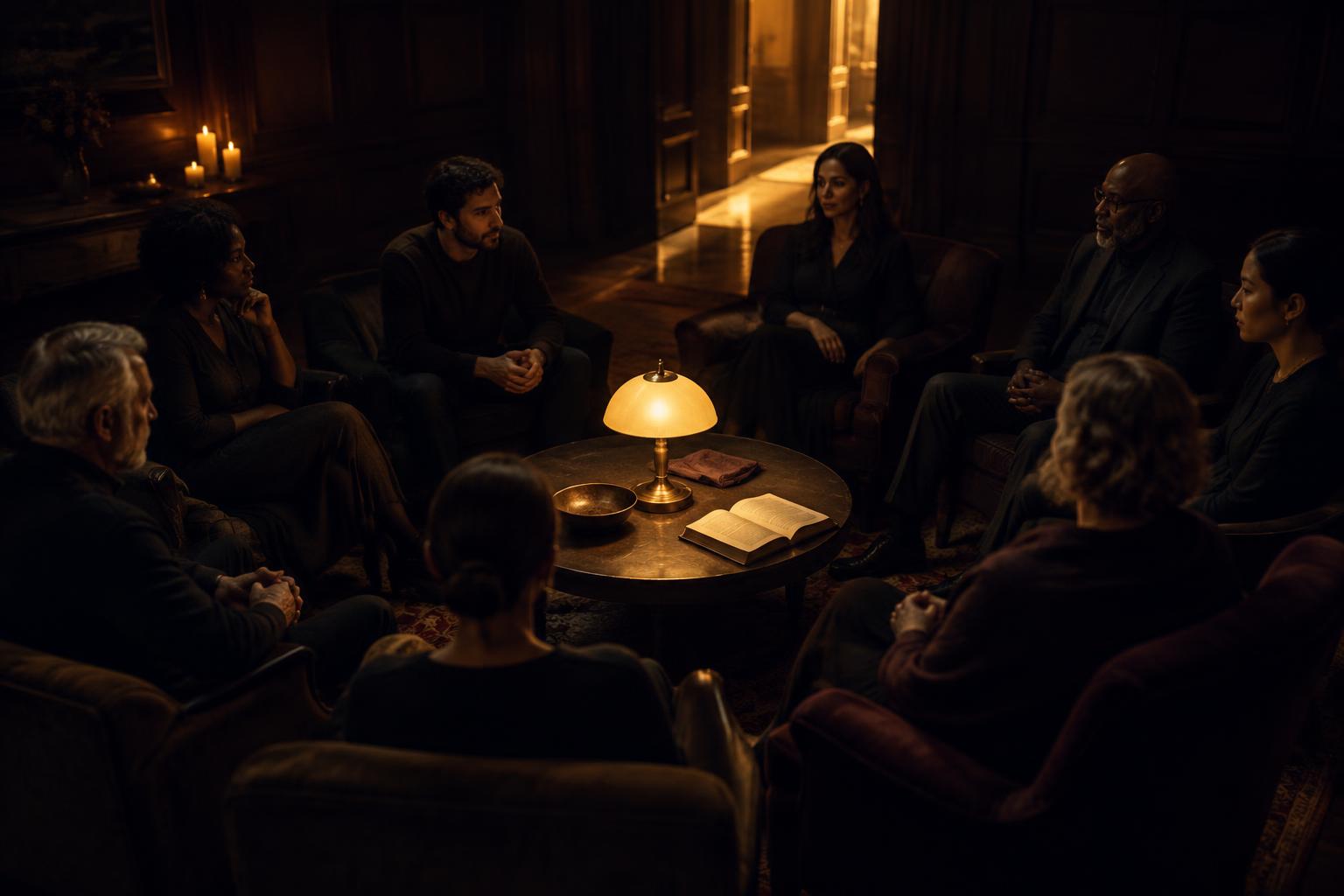
Private · By membership
The members’ room
This is the room behind the classes: the teachings that are not taught in public, the library, the institute’s own book of the works, the practice editions, and the notices kept for members alone. It is kept small, and it is kept quiet.
Everything here is the institute’s own material — written for members, revised as the work is revised, and free to print and keep.
What the room holds
Teachings, the library, and the book
A member’s standing opens four things: the member classes, the library, the grimoire, and the room itself. Each is kept for members rather than sold.
Member classes & teachings
The classes beyond the open curriculum — the quiet hours, the working rooms, and the studies kept for members.
The library
Practice editions written for members and printable at home, with the materia notes and the house rules.
The grimoire
The institute’s own book of the works: seventeen marks, the squares and seals, and the definitions written for each.
The sound room
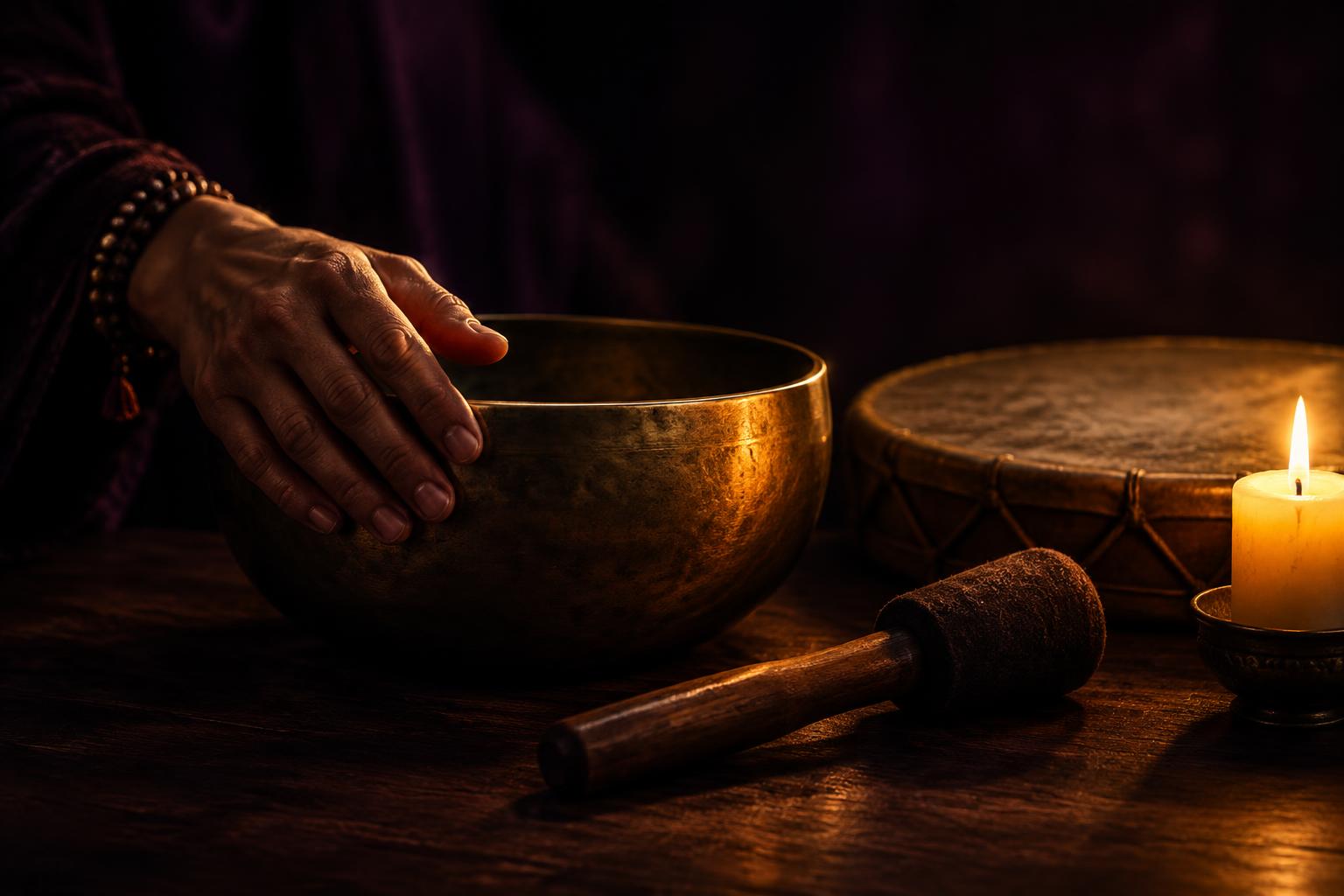
The drones, bowls and drum work of the institute, kept with a player for each piece.
Member classes
What is taught in here
The open curriculum is on the classes page and anyone may enrol in it. The room holds the work that follows: the long studies, the working hours, and the teaching that is given to a member rather than to a group.
The teaching in here is deliberately plain. Nothing is taught as an article of belief, no one is asked to perform conviction they do not hold, and a member who arrives sceptical is the easiest student we have.
- The quiet hours
- A monthly hour kept together rather than alone: a short reading, a period of silence, and the ledger written up at the end.
- The working rooms
- Practical sessions where a member lays out and closes a work under the institute’s eye, from the preparations through to the closing.
- The long studies
- A course read at the pace of the member’s own situation — the old texts worked through one chapter at a time, with the reasoning filled in as we go.
- The marks
- Drawing and defining a member’s own marks, taught from the six steps in The Rites of One, with each new mark entered in the ledger.
- Sound and stillness
- The use of a struck bowl, a drum and the held note as a way of settling an hour. Taught by ear, in the room.
- The record
- Keeping a ledger honestly — how to write up a working that failed, how to close a season, and why the record outlives the practice.
Posted in the room
Member announcements
Short notices, kept for the members rather than the public. They are replaced as the season turns.
This season
The grimoire, printable
The book prints straight from its own page, one sheet to a chapter and one to each mark. Print it as it is, or print it and bind it into a ledger of your own.
This season
The sound room is being recorded
The institute’s drones, bowls and drum work are being recorded for the room now. Each piece appears here with its own player as it is finished.
This season
Members’ hours
The room keeps an hour each month for members only, kept small on purpose. Ask for the next date and we will put your name down.
The library
Member resources
The book, the practice editions and the materia notes. Everything here is the institute’s own material, written for members and kept for them.
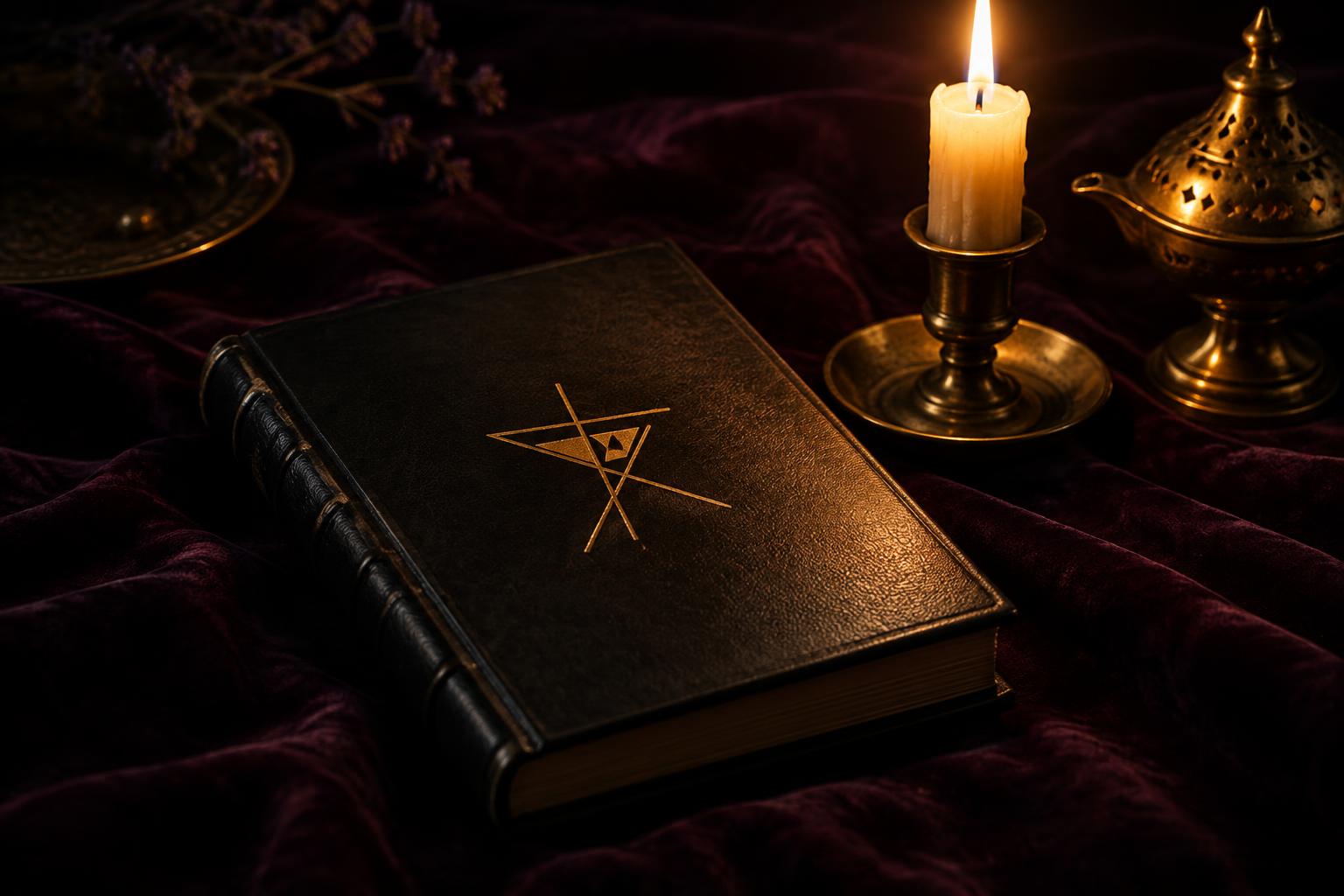
The book of the works · By Miguel Harvey
The Rites of One
The institute’s working system, written out in full by Miguel Harvey: the introduction to the practice, the principles, the preparation of the operator, the nine tools, the timing, the magickal squares and seals as plates, and seventeen workings, each with a mark drawn for it, its own words, and a definition written for it. Read it on the site, or print it as a book from the page itself.
Practice book
The Quiet Hour
What a practice hour is for, and how to keep one.
Choosing the hour, the shape of it, the ledger and how to keep it, the three failures that end most practices, and what to do when the practice lapses for weeks.
Materia notes
Working With the Shelf
Keeping herbs, oils and stones honestly at home.
Buying and keeping dried herbs, cutting and drying your own, infusing oils, and the care of a stone: cleansing, charging, and keeping it out of the sun and out of the salt. Ends with the house rules.
Orientation
The First Season
A letter to the member in their first three months.
What the first season is for, how to ask for help, keeping your own counsel, the standard the institute holds, and what the member program is and is not.
Bound as one
The Library Edition
All three practice books in a single file.
The Quiet Hour, Working With the Shelf and The First Season, gathered into one printable edition for a member who would rather keep the library in a single volume.
The door
Members’ sign-in & access
The members’ room is private. Sign in with the address your membership is under, or write to us and we will open the door.
Membership follows a class, an application, or a member’s own standing with the institute. If you are not sure where you stand, ask — there is no wrong question to put to a school.
Members’ sign-in
The door
Access is held against the email address your membership is under. Enter it and a sign-in link goes out to you; there is no password to keep, and nothing to remember.
Apply or ask
Request access
If you are applying for the member program, or you would like access to the room, write here. Every request is read by the institute.
Not a member yet? The classes are the door.
Most members come to the room through a class, and some through the program. Either way it begins with a conversation.
Or call (872) 335-0142