Chapter I
An introduction to magick and mystical practice
What this book means by magick, what it takes from the old books, and what it refuses to claim.
Magick, as this book uses the word, is the deliberate arrangement of attention: a place chosen, an hour fixed, a mark drawn, a word said aloud, and an honest account kept of what was done. It is a craft before it is a belief. A person who keeps the hour and writes it down is working, whether or not they believe anything at all about the outcome — and a person who believes everything and keeps nothing is not.
This is the plainest statement the institute can make about the old arts, and it is where every student begins: the practice is a practice. It is done with the hands, at a table, at an hour, in a room. The room does not have to be beautiful, the tools do not have to be old, and the practitioner does not have to be certain of anything. What the work requires is that it be done the same way twice, and written down.
The book stands in a tradition and it says so. The Key of Solomon, the works attributed to Albertus Magus, the collection known as the Seventh Book of Moses, and the Abramelin material are the four great houses of the old working books, and every serious student should meet them at source, in their own words, in their own time. This book does not reprint them and does not paraphrase them. It takes from them the things they agree on — that a work is prepared before it is performed, that the hour is as much a part of the work as the words, that a mark is a record as much as it is a sign, and that a practitioner keeps their own counsel — and it sets them out in the institute's own order, with its own marks and its own definitions.
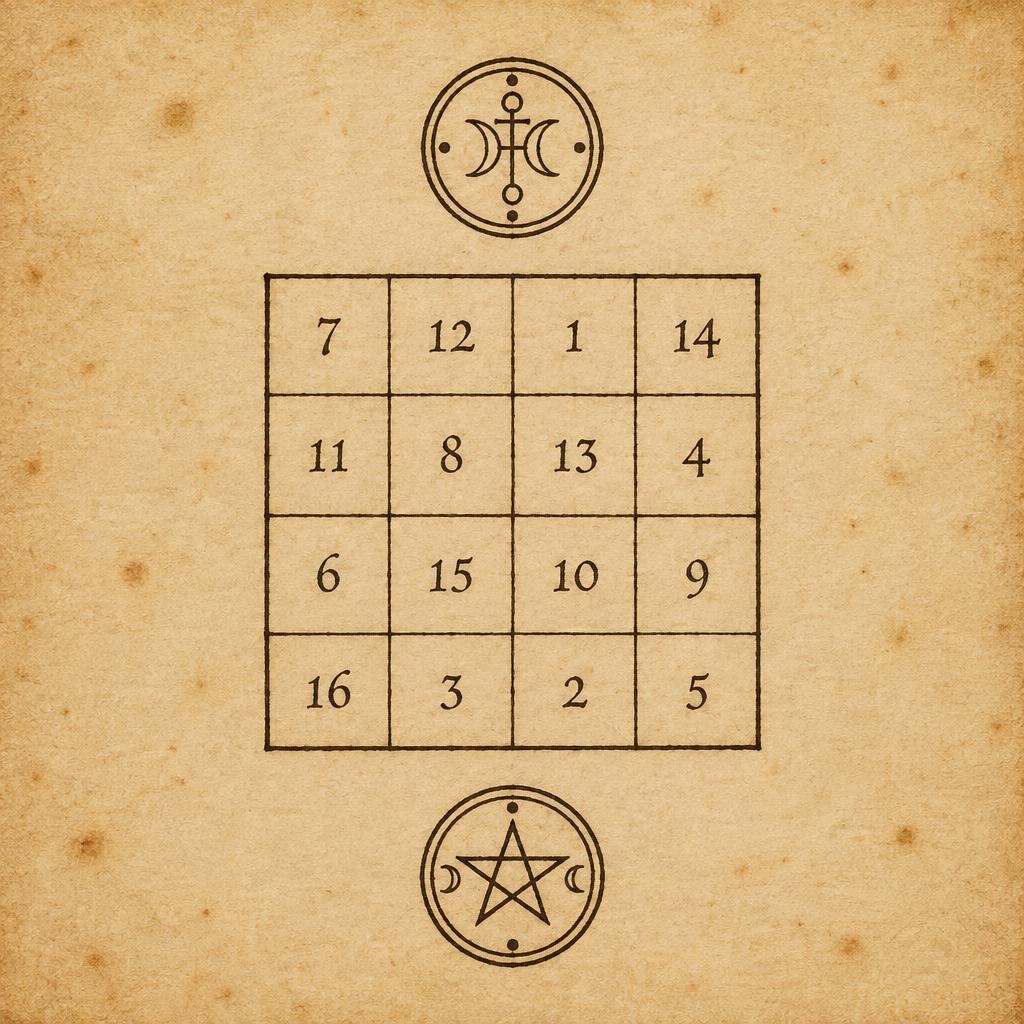
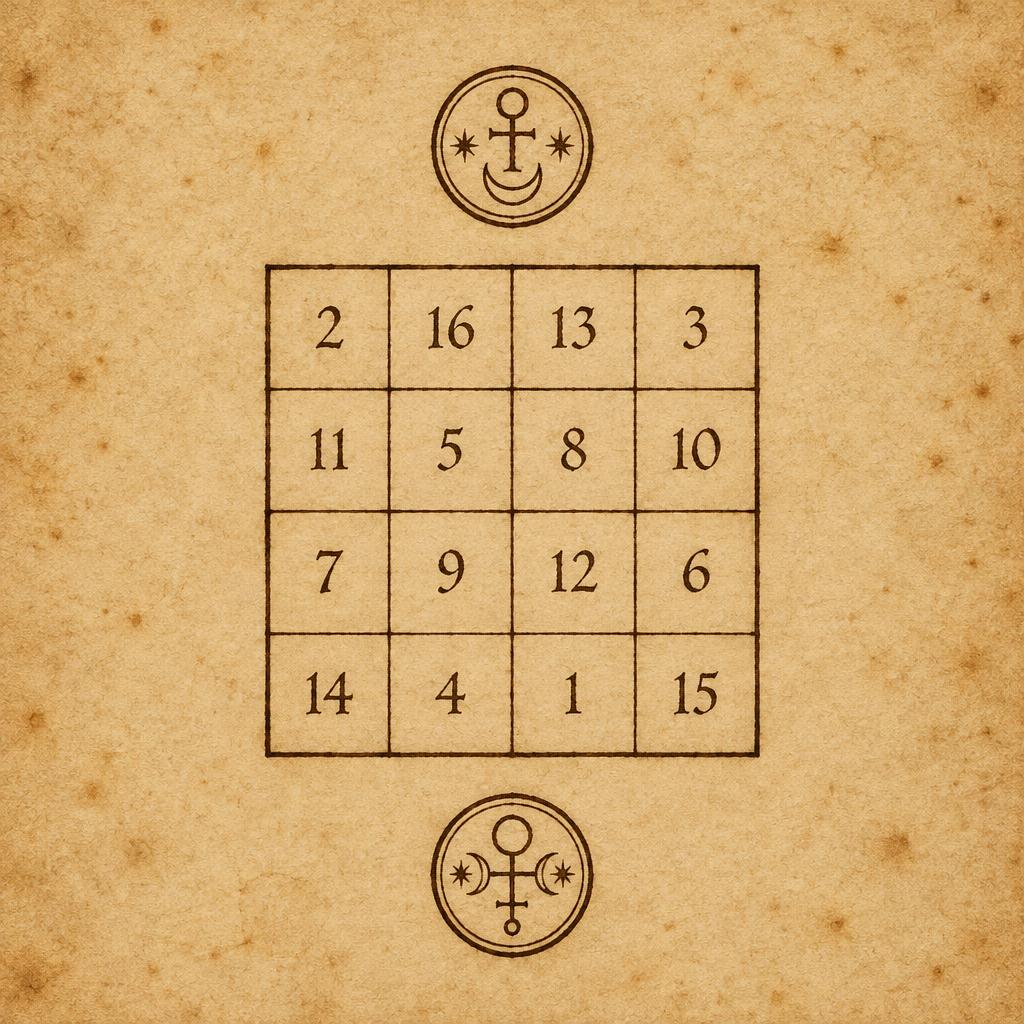
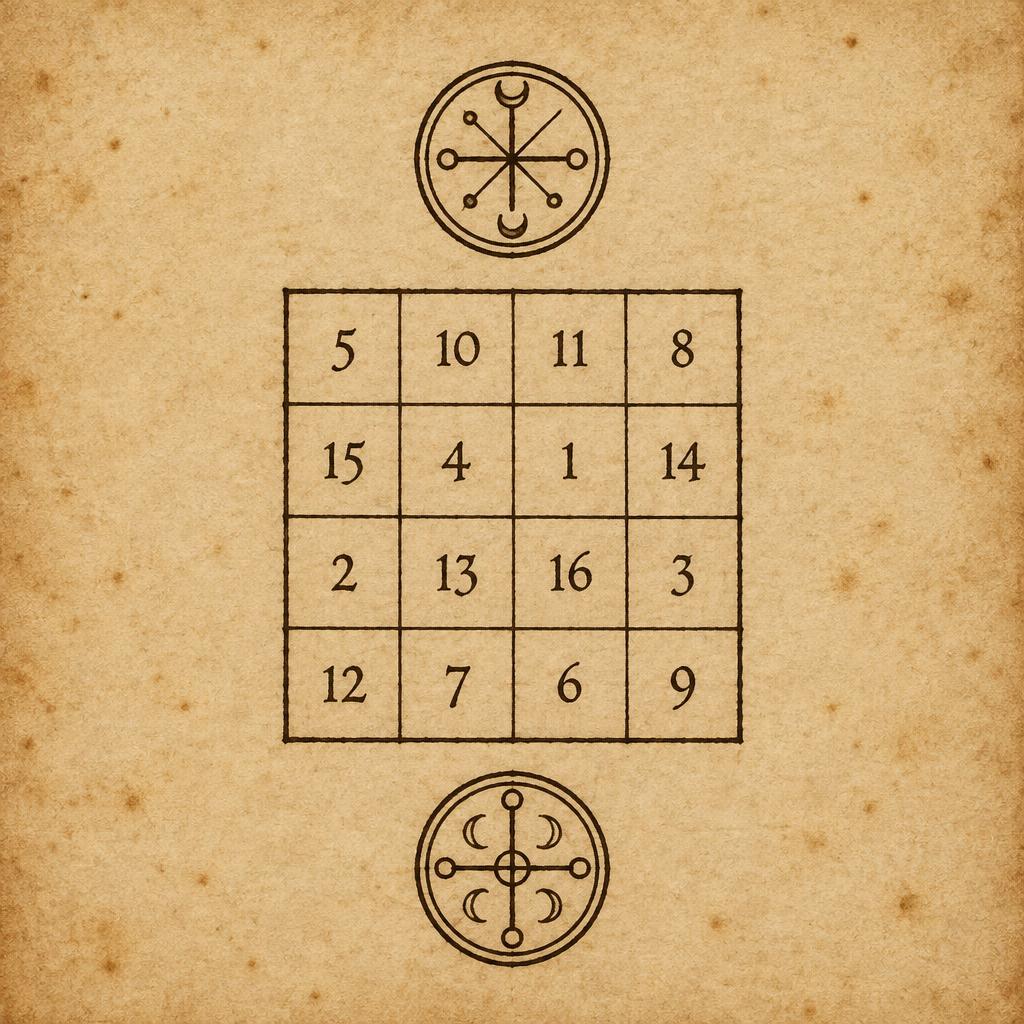
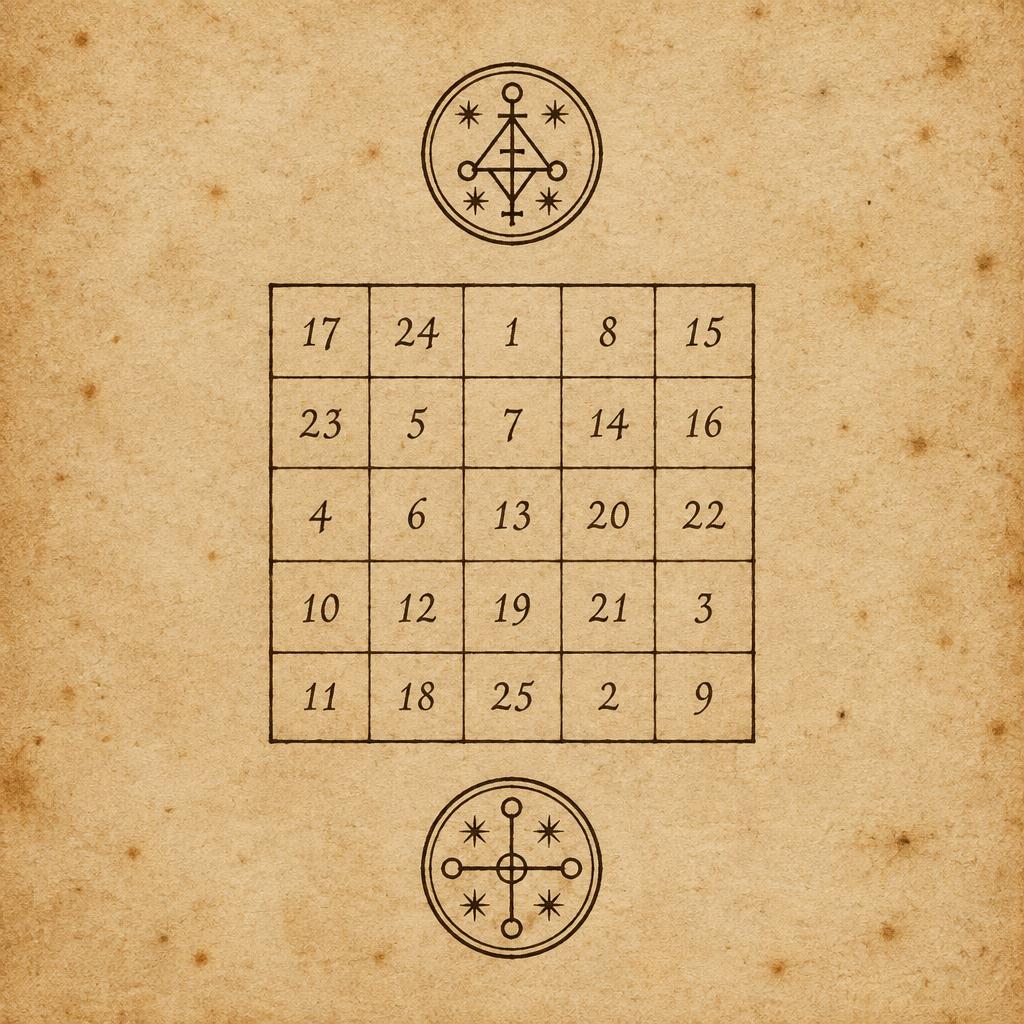
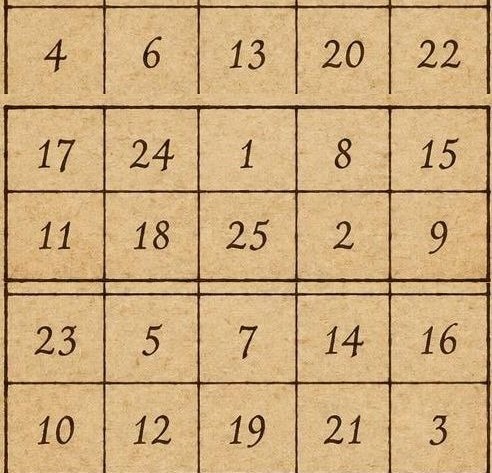
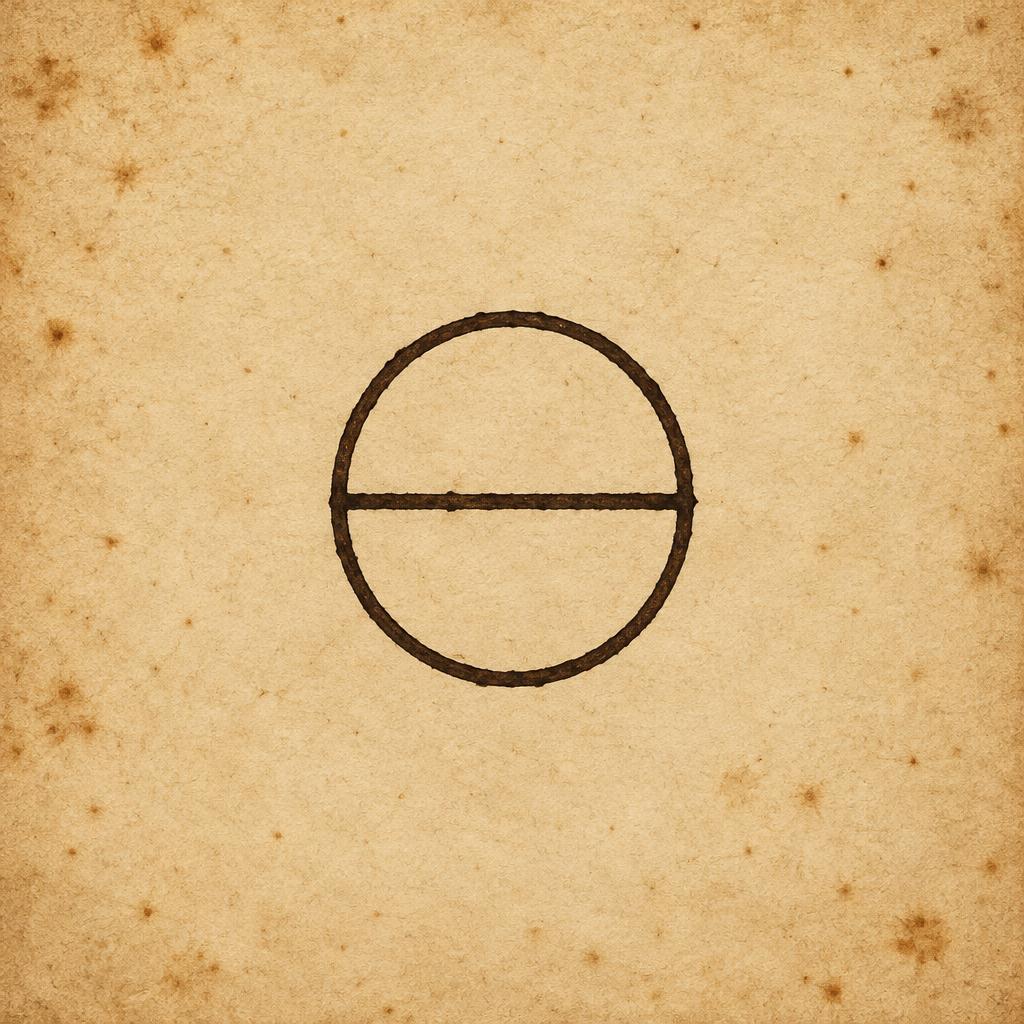
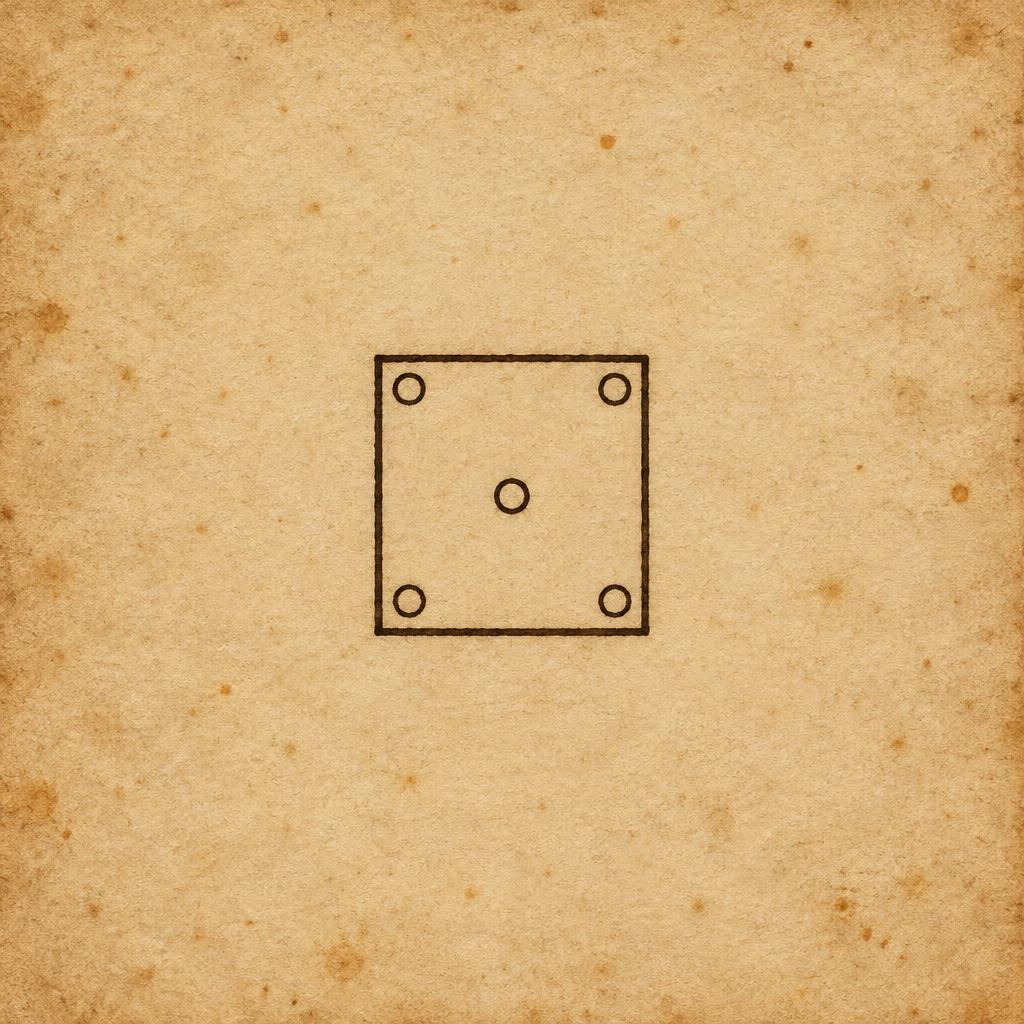
It is worth saying plainly what that means. The marks in this book are new. They were drawn for the institute, one for each work, and every one of them is defined here in full: what it is for, what it governs, how it is drawn, how it is charged, and how it is retired. The squares and the seals are given as plates, with their definitions. The words are the institute's own. Nothing here is a transcription, and no passage of any book still in copyright has been carried over. A student who wants the older systems should buy the older books, and will find them worth the trouble.
The book also refuses a claim that the old books often make and that the institute will not make for them: that a mark, a word or an hour causes a particular result in the physical world. We do not teach it and we do not deny it. What we teach is the method, and what the practitioner can be certain of is narrower and better than a promise: what they did, when they did it, how they said it, and where the record is. That certainty is the whole of what is offered here, and it is more than most people have.
A word on the word itself. The older books spelled it with a k to mark it out from stage conjuring, and this book keeps that spelling out of respect for the distinction, not for ornament. There is no audience in any of these pages. A work is done alone, at an hour, with the door shut, and it is spoken of to no one. That is not secrecy for its own sake. A working that is talked about becomes a performance, and a performance is measured by its reception instead of by its record.
Finally, a word to the reader who comes to this book out of curiosity rather than intention. Read it in order. The chapters are arranged the way a working is arranged — preparation before tools, tools before timing, timing before the works — and a reader who begins at the marks will find that nothing holds together. That is the correct experience and a useful one. Come back to the beginning and the marks will read as they were meant to: as the last and smallest part of a long, plain, patient practice.
- 01Magick here means the deliberate arrangement of attention: place, hour, mark, word, record.
- 02The book stands in the old tradition and is not a reprint of any part of it. Marks, words and arrangement are the institute's own.
- 03The four houses it draws its manner from: the Key of Solomon, Albertus Magus, the Seventh Book of Moses, and the Abramelin material. Read those at source.
- 04Nothing here claims to cause a particular result in the physical world. What is promised is the method and the record.
- 05One practitioner, one hour, one mark. No audience, and nothing spoken of outside the room.